Write the Cold-Day Card Before the First Ice Day

On the first ice day a handler decides how long a yard of dogs stays out. With nothing written down it's their call, and they're the one explaining to whoever asks why a coat came back damp.
Put the rule on one page, with a number for each kind of dog, and get it to owners before that day.
In January a dog owner on a UK forum asked whether to send a small dog, on a day near freezing, to a daycare that keeps dogs in fields and rotates them through a barn. Most of the people who answered said they wouldn't use a daycare like that, in any weather. One, a dog walker, said she'd want to know its cold-weather policy and asked whether the indoor area was heated and sheltered.
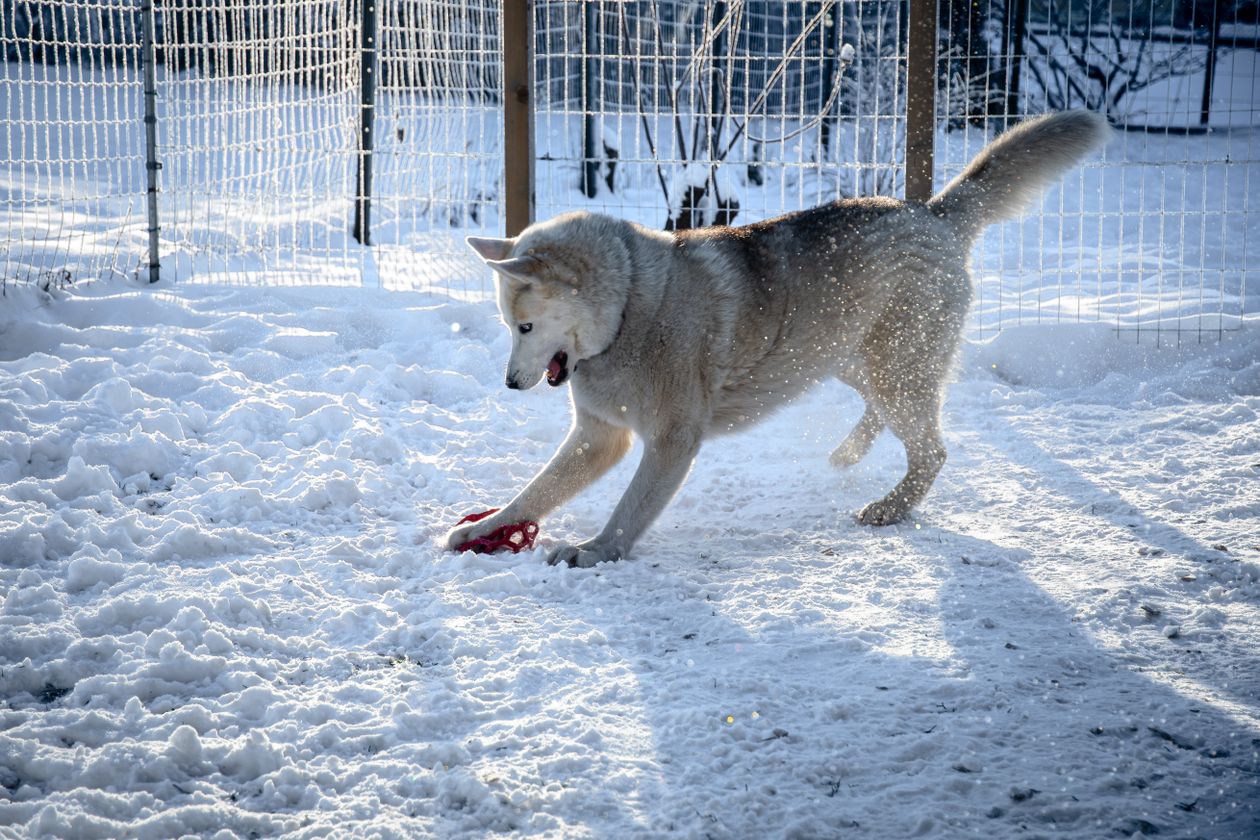 Stock photo by Karlheinz Strohmaier on Pexels. Not a Petsoft customer's dog.
The vet pages don't hand you a number
The AVMA, Cornell and the University of Illinois vet school all publish winter advice for dogs, and none of them gives a safe temperature or a number of minutes. The AVMA comes closest: its page says dogs generally should be kept inside in cold weather and that no pet should be left outside for long periods in below-freezing weather. Between them they point to short-haired and thin-coated dogs, small dogs, short-legged dogs, puppies, seniors and dogs with health problems as the ones who feel it first. The AVMA adds that a thick coat helps but still leaves a dog at risk.
That leaves the number to you, and your vet should read it before it goes to print.
The whole card
A whole card looks like this.
Cold-weather play
Dogs that get cold first (small, short-haired, short-legged, puppies, seniors, dogs with health problems): 10 minutes at a time below freezing.
Thick-coated dogs: 20 minutes at a time below freezing.
Everyone else: 15 minutes at a time below freezing.
Below 20°F: every dog goes out only long enough to relieve itself.
When time is up, dogs come into the heated indoor play room.
The back corner by the building is out of the wind. The rest of the yard isn't.
A dog that shivers, whines or barks, tucks its tail, lifts its paws or won't walk comes in right away.
Any handler can bring any dog in early.
The signs come from Cornell's list, trimmed. Every number and place is made up to show the layout.
Any handler can bring a dog in early
The numbers are the longest a dog stays out. Your best handler may read a given dog better than a number can, which is why any handler can bring any dog in without asking. Nobody keeps a dog out longer because it looks fine, since frostbite is hard to spot at first and can take days to show its full extent.
When an owner says his dog loves snow, the answer comes straight off the card:
He probably does. For dogs his size it's ten minutes at a time below freezing, and then he plays inside.
Send it before the first ice day
Dogs caught in a sudden cold snap are less prepared than dogs conditioned to the cold. The first ice day can be that kind of snap, so get the card to owners before it. Email it and post it at the drop-off door.
Before you print it, hand it to whoever works the yard most afternoons and ask what's missing.